
Why Night Driving on I-81 Feels Harder Every November: Dry Eye, Glare, and What to Do
Why Night Driving on I-81 Feels Harder Every November: Dry Eye, Glare, and What to Do
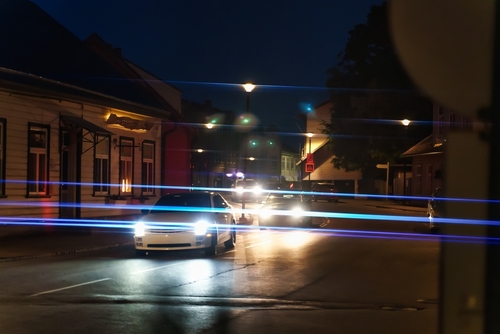
A familiar drive along I-81 can feel more challenging when November arrives. Headlights seem brighter, road signs become harder to read, and your eyes may feel irritated by the time you get home. At Original Eyewear, we help patients in Syracuse and Watertown understand whether dry eye, a prescription change, or another eye condition is contributing to nighttime driving difficulties.
Why November Changes Your Drive
Shorter days and the return to standard time put more of your evening commute after sunset. With less light available, seeing details and judging what is ahead becomes more demanding. Rain and wet pavement can add distracting reflections.
Colder weather also means more time with indoor heating and car heaters running. Dry indoor air and vents blowing toward your face can worsen dry eye symptoms, adding discomfort and fluctuating blur to an already challenging drive.
How Dry Eye Affects Night Vision
Your tear film helps create a smooth optical surface over the front of your eye. When tears evaporate too quickly or do not spread evenly, vision can become less stable. You might notice blur that briefly improves after blinking, along with burning, grittiness, or sensitivity to light.
Dry eye can reduce the quality of nighttime vision and make headlight glare more troublesome. However, glare alone does not confirm dry eye. An outdated prescription, astigmatism, or cataracts may also affect how clearly you see after dark.
Practical Ways to Improve Driving Comfort
Before your next evening trip through Syracuse or Watertown, consider these steps:
Redirect dashboard vents away from your eyes while keeping your windshield properly defogged.
Clean your windshield inside and out, along with your glasses, mirrors, and headlight covers.
Wear your prescribed distance correction and schedule an exam if road signs no longer look clear.
Ask us which lubricating eye drops are appropriate for your symptoms and contact lenses, if you wear them. Use drops while safely parked and wait until any temporary blur clears before driving.
Plan daytime travel or arrange another ride if glare or blurred vision makes nighttime driving difficult.
What We Check During an Eye Exam
If night driving on I-81 has become uncomfortable, we can check your prescription, examine your eye health, and evaluate your tear film and eyelids. Tell us whether symptoms affect one or both eyes, improve with blinking, or become worse with contact lenses.
Our approach to dry eye treatment depends on what is causing the problem. We may recommend changes to your daily routine, lubricating drops, or additional treatment based on your examination. Persistent halos or worsening night vision deserve evaluation, even when your daytime vision seems acceptable.
Sudden vision loss, severe eye pain, or new flashes and floaters require urgent eye care. Do not drive yourself if your vision is impaired.
Schedule your eye exam with Original Eyewear in Syracuse or Watertown, NY, by calling (315) 214-5858. We can evaluate your dry eye symptoms and nighttime glare and recommend care based on your needs.